If you’re living with pain and you’ve felt fear or anxiety, you’re normal. You’re human. You’re responding exactly the way most people would.
For years I was extremely afraid of my pain. Of course I was. I hurt all the time. I didn’t know why, I didn’t know if it would get worse, and I didn’t know if I would ever get better. Fear felt completely reasonable. It even kept me from overdoing things, which I was very good at.
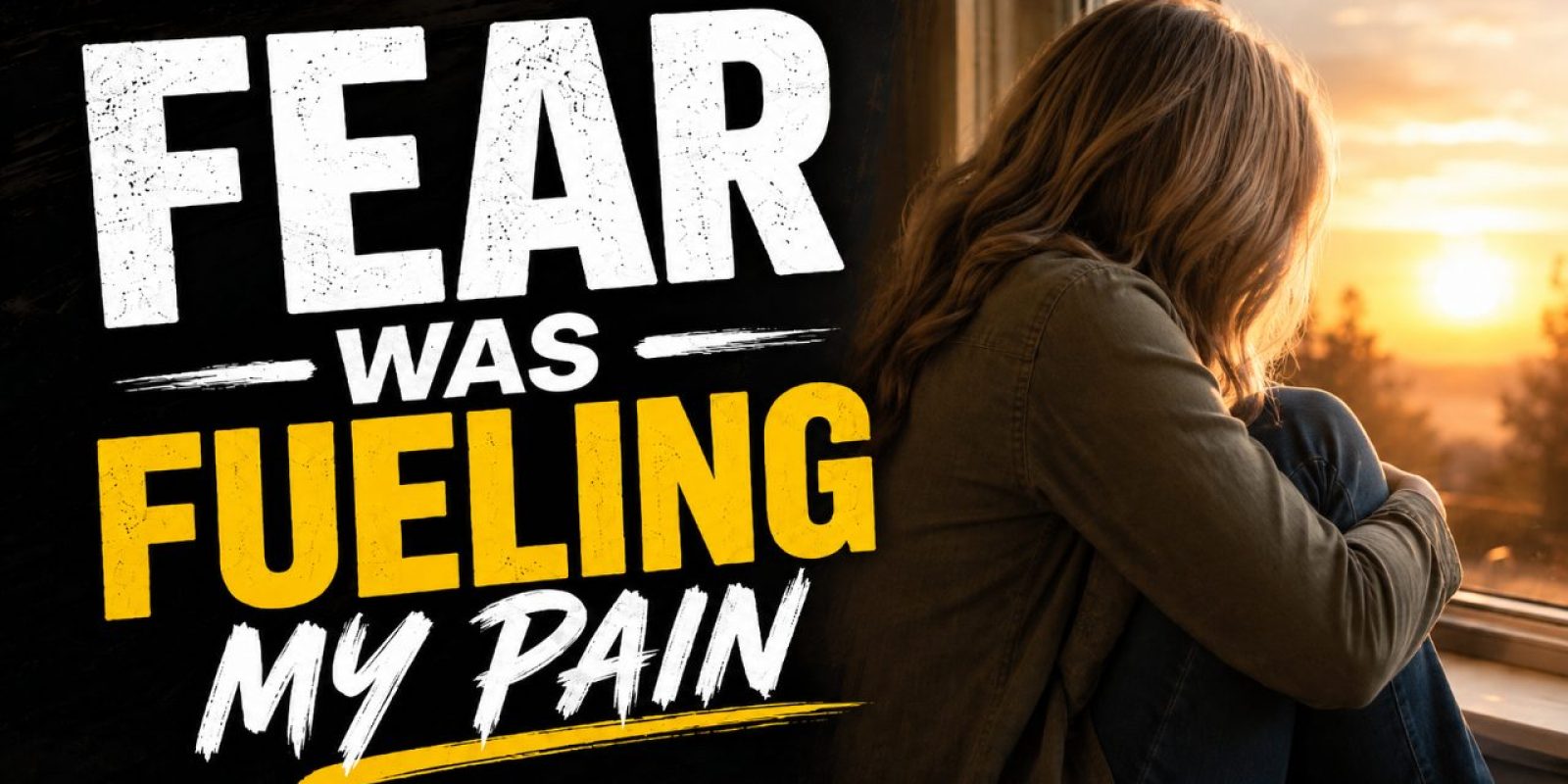
But eventually I learned something that changed how I understood my pain. Fear wasn’t always just reacting to the pain. Sometimes my fear was helping to keep the pain alarm switched on.
Before I go further, let me say this clearly: fear is normal and natural given what you’re going through. It’s not your fault. Stay with me, because understanding fear helps explain why pain sometimes becomes so persistent.
Fear Is Not Weakness
Fear is not weakness, and it’s not failure. It’s a normal human response to something that feels threatening. And chronic pain absolutely feels threatening.
When pain enters your life, you start asking questions. What’s wrong with me? Is this serious? Am I damaging myself? Will I ever get better? Those questions naturally create uncertainty, and uncertainty tends to create fear. So if you’ve felt afraid or anxious about your pain, you’re not doing anything wrong. You’re human.
How Fear Connects to Pain
Pain is one of the brain’s protection systems. The brain’s primary job isn’t happiness, it’s survival. Safety. And fear is part of that system. Fear helps us avoid danger, pay attention, and stay alive.
The problem starts when the brain begins detecting danger everywhere. That’s when protection becomes overprotection. The system isn’t broken. It’s just being an overachiever.
Imagine something simple. You bend over and feel some pain. A few things can happen next.
You might think, “That was uncomfortable, but I’m okay. I know what to do to help myself.” Or you might think, “I’ve injured myself. I’ve damaged something permanently. I’ll never get better.”
Those two interpretations create very different experiences from the exact same sensation.
Think back to the Awareness Wheel. The fact is that you felt some pain. In the second scenario, your thought is “something is wrong, this is dangerous.” Your emotion is fear. What you want is to escape. And your action might be to avoid movement, fixate on your symptoms, or search desperately for answers.
The original pain is identical in both cases. But in the second one, fear has entered the picture. And fear tells your nervous system to pay attention, stay alert, and watch for danger. The more danger your brain perceives, the more likely it is to keep protective responses turned on, including pain.
When Fear Takes Over Your Days
Looking back, fear was everywhere in my pain journey. I worried about how bad it would get, what my future would look like, and whether I’d ever do the things I loved again. Much of my day became organized around avoiding pain at all costs. I was trying to prevent it, monitor it, and control it.
The irony was that pain became the center of my attention, and the more attention I gave it, the bigger it seemed to get. That connects directly to the flashlight principle. Fear and attention work together. Fear says, “Watch out.” Attention says, “Okay.” And suddenly pain becomes the only thing you can see.
Fear Is Not the Enemy
Here’s something important that I learned: fear itself is not the enemy. Trying to eliminate all fear isn’t realistic, and it isn’t necessary. The goal is not to never feel afraid. The goal is to learn how to respond when fear shows up.
Fear is a response to perceived danger, but it isn’t a command. It isn’t telling you that you have to do something. A feeling can be acknowledged without being the boss. I can feel fear, notice it, and even respect it without automatically obeying it.
A Word About Hope
In the middle of all this fear talk, I want to pause on hope.
There were times I genuinely couldn’t believe things could improve. It had been 21 years. I simply couldn’t see it. Pain was too loud, fear was too loud, and my future felt deeply uncertain. During those seasons, I had to borrow hope. I borrowed it from my physical therapist, Dr. Bradway, and from friends. Often someone else believed I could improve before I could believe it myself.
That’s okay. You don’t always have to generate hope on your own. You can borrow it. And sometimes that’s exactly enough to help you take the next step.
Courage Is Not the Absence of Fear
I used to think courage meant not being afraid. I see it differently now. Courage is moving forward even while fear is present.
Courage is taking a walk, or even a few steps, while fear says stay put. It’s trying something new while fear says don’t bother. It’s taking a profound baby step while fear says it won’t matter.
Over time, those small acts of courage teach the nervous system something powerful. They teach it safety. They teach that possibility exists. And they build confidence in the process.
If I could go back and tell my younger self one thing about fear, it would be this: fear is just trying to protect you, but fear doesn’t always know what’s best for you. Sometimes it sees danger where there is none. And that’s okay, because with awareness, patience, support, and practice, we can begin teaching the brain new lessons. Not overnight, and not perfectly, but gradually. And those gradual changes matter.
So if fear has become part of your story, please hear this. You’re not weak, and you’re not failing. You’re not doing anything wrong. Your brain is simply trying to protect you. The goal isn’t to eliminate fear. The goal is to understand it. And when we understand it, we gain choices. Choices create possibilities. And possibilities create hope.
I want you to have more hope.